How to lubricate garage door rollers and hinges
Lubrication keeps a garage door running quietly and freely, but only when the right parts get it and the wrong parts do not. Here is the general guidance for Zion homeowners.
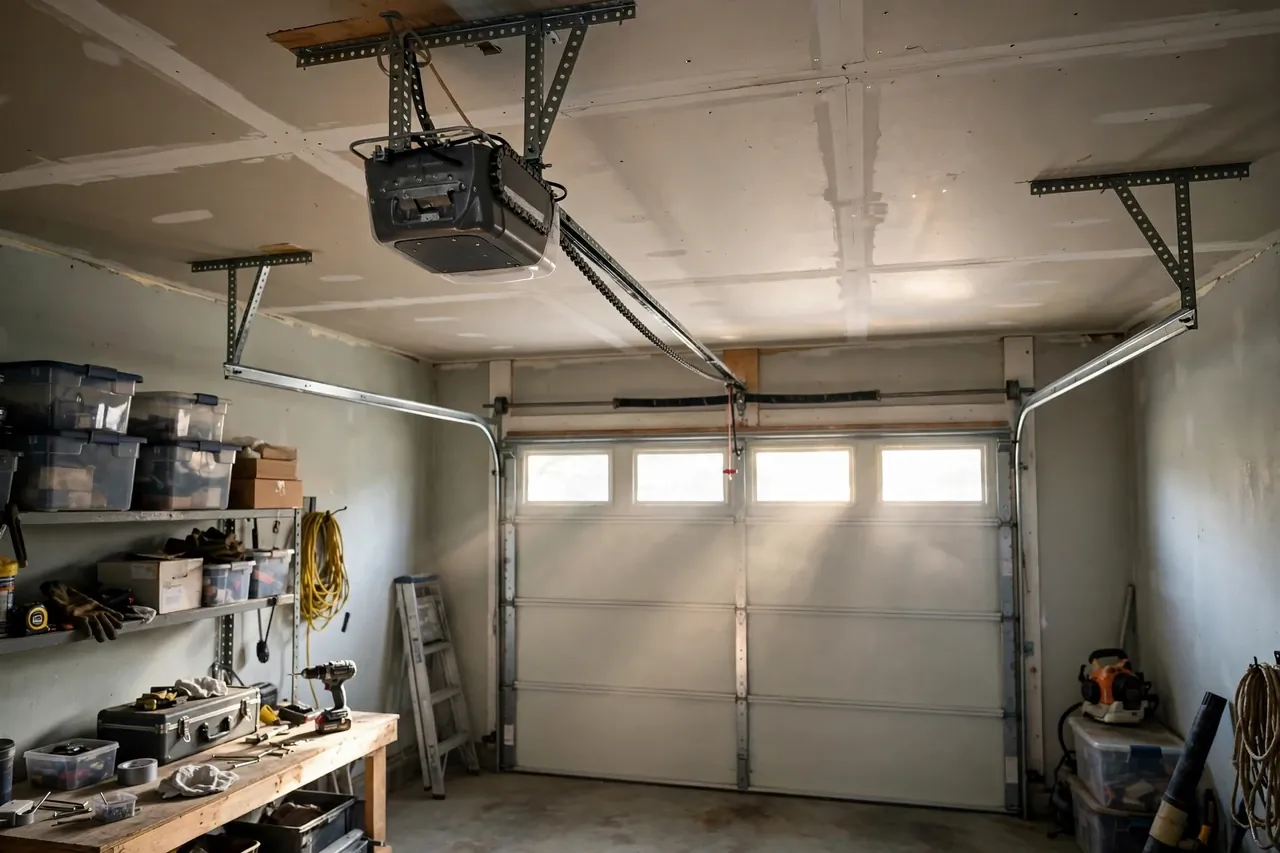
Rollers, hinges, and springs move every time the door runs, and they run better with lubrication. The job is simple, but the details matter: the right lubricant, the right parts, and a light hand. Too much lubricant, or lubricant in the wrong place, causes the wear it was meant to prevent.
This guide covers why lubrication matters, what to use, the steps in order, how often to do it, and the mistakes to avoid. It is general guidance; your door and opener manuals govern any model-specific detail.
Why Lubrication Matters for Your Garage Door
Metal moving on metal wears. Rollers turn in their stems, hinges pivot as sections fold, and springs twist and flex. Without lubrication, that movement gets noisy and stiff, and wear accelerates. Squeaking and squealing are the usual early reports of dry hardware, and grinding can follow when rollers wear.
Lubrication also reduces the load on the opener. A door that runs freely needs less force to move, which means less strain on the drive, the cables, and the springs. In cold weather, when lubricants thicken and hardware stiffens, a well-lubricated door is more likely to run smoothly; that is general guidance, not a measured finding for Zion.
Lubrication is part of the tune-up scope described by a national guide: Angi (tune-up guide, updated October 15, 2026) includes lubrication alongside bolt tightening and inspection of rollers, cables, springs, shafts, bearing plates, and tracks. Homeowner lubrication between full reviews keeps the door running well in the meantime, but it does not replace inspection of the parts themselves.
What Is the Best Lubricant for Garage Door Rollers in Zion IL?
Use a lubricant made for garage door hardware, and follow the product instructions. The key properties are that it stays where it is applied, does not attract excessive grit, and suits metal hinges, roller stems, and springs. A spray format with a precision nozzle helps reach hinge pins and roller stems without coating everything nearby.
Avoid heavy grease, which attracts grit and builds up, and avoid general-purpose sprays that are not intended as lasting lubricants for door hardware. Do not use a lubricant on the tracks, which should stay clean and dry, and keep lubricant away from sensor lenses and from any part the opener manual says to leave dry.
No product is recommended by name here. The owner has supplied no product information, and no brand is endorsed. Choose a product labeled for garage door use, apply it lightly, and wipe away excess so it does not drip onto the floor, the door, or the sensors.
Step-by-Step: How to Lubricate Garage Door Rollers and Hinges
Work with the door closed and the opener disconnected only if you need to move the door by hand; for lubrication alone, the door can stay closed with the opener engaged. Keep hands clear of pinch points at hinges and tracks.
- Clean first. Wipe hinges, roller stems, and springs with a dry cloth to remove dust and grit. Lubricant applied over grit makes paste, not protection.
- Lubricate the hinges. Apply a small amount to each hinge pivot point where the sections fold. Open and close the door once to work it in, if the door runs freely.
- Lubricate the rollers. Apply a small amount to each roller stem and bearing area, not to the roller surface that runs in the track. Keep the tracks themselves clean and dry.
- Lubricate the springs. Apply a light coat along torsion springs above the door, or extension springs along the tracks, without touching, adjusting, or loosening any spring hardware. Look and lubricate only; never adjust tension.
- Lubricate the bearing plates and shaft. Where accessible without dismantling anything, apply a small amount to the bearing plates at the ends of the torsion shaft.
- Wipe excess. Wipe away drips and excess from all parts, the door face, and the floor. Excess lubricant attracts grit.
- Run and listen. Run the door through full travel and listen. Squeaking should reduce. Grinding, binding, or new noises point to wear or alignment that lubrication alone will not fix.
Do not lubricate the tracks, the sensor lenses, the opener rail unless the opener manual directs it, or any plastic or rubber part unless the product instructions say it is suitable. When in doubt, leave the part dry and ask a technician.
How Often Should You Lubricate Your Garage Door in Zion Illinois?
No sourced lubrication interval was found in the national guides consulted, so no interval is stated as a finding. As general guidance, lubricate as part of regular maintenance checks: look and listen monthly, and lubricate when movement looks dry, sounds noisy, or feels stiff, and always as part of the pre-winter check described in how to prepare your garage door for winter in Zion.
Doors used several times a day, doors in dusty garages, and older doors with worn hardware need attention more often than a lightly used door in a clean garage. Judge by the door: if squeaking returns, the interval was too long.
A national tune-up guide is inconsistent on full-review frequency, saying every other year in its body text and at least once a year in its FAQ (Angi, updated October 15, 2026). Lubrication between full reviews is homeowner work; the full review itself, including inspection of springs, cables, and tracks, is described under garage door maintenance in Zion, IL.
Common Mistakes to Avoid
- Lubricating the tracks. Tracks stay clean and dry. Lubricant in the channel attracts grit and wears rollers.
- Using the wrong product. Heavy grease and general-purpose sprays are not substitutes for a lubricant made for garage door hardware.
- Applying too much. A light coat protects; a heavy coat drips, attracts grit, and reaches parts that should stay dry.
- Lubricating over damage. A cracked roller, frayed cable, or bent track needs repair, not lubricant. Lubrication does not fix worn or broken parts.
- Touching spring hardware. Lubricate springs by coating them lightly without adjusting anything. Any adjustment, loosening, or replacement is technician work.
When to Call a Professional
Call a professional when lubrication does not quiet the door, when grinding, binding, or crooked travel continues, when rollers are cracked or chipped, when cables look frayed, or when the door feels heavy or drops fast. Those signs point to wear or failure that lubrication cannot correct.
Milwaukee Garage Doors Inc is open 24 hours, every day. Call (224) 842-7761. See garage door maintenance in Zion, IL, garage door repair in Zion, IL, and garage doors in Central Zion, IL.
Frequently Asked Questions
What is the best lubricant for garage door rollers in Zion IL?
A lubricant made for garage door hardware, applied lightly and following the product instructions. Avoid heavy grease and general-purpose sprays not intended as lasting door lubricants, keep lubricant off the tracks, and wipe away excess. No product is recommended by name here.
How often should I lubricate my garage door in Zion Illinois?
No sourced interval was found, so none is stated as a finding. As general guidance, lubricate during regular maintenance checks, when movement looks dry or sounds noisy, and as part of the pre-winter check. Doors used often, in dusty garages, or with worn hardware need attention more often.
Can I use a general-purpose spray on my garage door in Zion?
Use a lubricant made for garage door hardware instead. General-purpose sprays are not a substitute for a suitable door lubricant, and heavy grease should not be used. Keep lubricant off the tracks, which stay clean and dry, and away from the sensor lenses.
How do I lubricate garage door hinges in Zion IL?
With the door closed, wipe each hinge clean, apply a small amount of a lubricant made for garage door hardware to each hinge pivot point, wipe away excess, and run the door once to work it in. Keep hands clear of pinch points and do not dismantle any hinge.
What happens if I never lubricate my garage door?
In general terms, movement gets noisier and stiffer, wear on rollers, hinges, and springs accelerates, and the opener works harder to move the door. Squeaking is the usual early sign, and grinding or binding can follow when wear advances. Lubrication does not fix parts that are already worn or broken.
Get help with Garage Doors in Zion
If your door stays noisy or stiff after lubrication, call Milwaukee Garage Doors Inc at (224) 842-7761. We are open 24 hours, every day.
Read about garage door maintenance in Zion, IL and garage doors in Central Zion, IL, or go to contact Milwaukee Garage Doors Inc.